
The One Travel Essential That Earns Its Weight Every Time
Packable rain jacket women need most is a shell that weighs almost nothing, fits in your palm, and keeps you dry when the weather turns. Here are the top categories at a glance:
| Jacket Type | Weight | Best For |
|---|---|---|
| Ultralight Shell | 4.3 oz | Ultralight travel |
| Versatile Everyday | 6.5 oz | Everyday versatility |
| Heavy Duty | 9.9 oz | Maximum dryness |
| Backcountry Hybrid | Under 7 oz | Backcountry + travel |
| Professional Grade | 15.1 oz | Heavy rain protection |
You packed light. You nailed the carry-on. Then it rained in Paris for three days straight.
A good packable rain jacket solves this without adding bulk. The best ones fold down to the size of a smartphone — an ultralight shell, for example, can weigh just 4.3 ounces and barely take up more space than an iPhone. Yet it keeps you dry on a quad bike in Fiji or a wet afternoon in the Dolomites.
There are over 2,000 options out there. Prices run from around $20 to nearly $500. The difference between a jacket that works and one that soaks through after ten minutes comes down to a few key features — weight, waterproof rating, seam construction, and packability.
This guide cuts through the noise and shows you exactly what to look for.

What Defines a Packable Rain Jacket for Women?
When we talk about a “packable” jacket, we aren’t just talking about something you can cram into a suitcase. A true packable rain jacket women can rely on is defined by its ability to compress into a tiny footprint—often into its own pocket or a dedicated stuff sack—without losing its structural integrity or waterproof capabilities.
At its core, packability is about the marriage of ultralight materials and smart design. For the minimalist traveler, every ounce counts. We look for jackets that tip the scales at a mere 4.3 ounces (for a women’s small), or technical shells that stay well under the 7-ounce mark. These aren’t just jackets; they are “insurance policies” against the elements.
The secret lies in the construction. Most high-quality packable shells are unlined. While a mesh or fleece lining might feel cozy, it adds significant bulk. By choosing an unlined 2.5-layer or 3-layer construction, you get a jacket that provides foldable-jackets-for-the-light-packing-traveler/ the protection they need while remaining small enough to clip onto a belt loop or hide in a purse.
Beyond the weight, these jackets offer peace of mind. Whether you are navigating a sudden NYC blizzard or a tropical downpour in Fiji, having a dedicated rain shell that doesn’t hog your luggage space is a cornerstone of minimalist-packing-gear-for-the-modern-woman/. It allows you to proceed with your itinerary regardless of what the clouds are doing.
Essential Features of a Packable Rain Jacket Women
Choosing the right jacket involves looking past the color and style to the technical “guts” of the garment. If you’re building a womens-one-bag-travel-kit-essentials/, you need to ensure your shell has the following technical features.
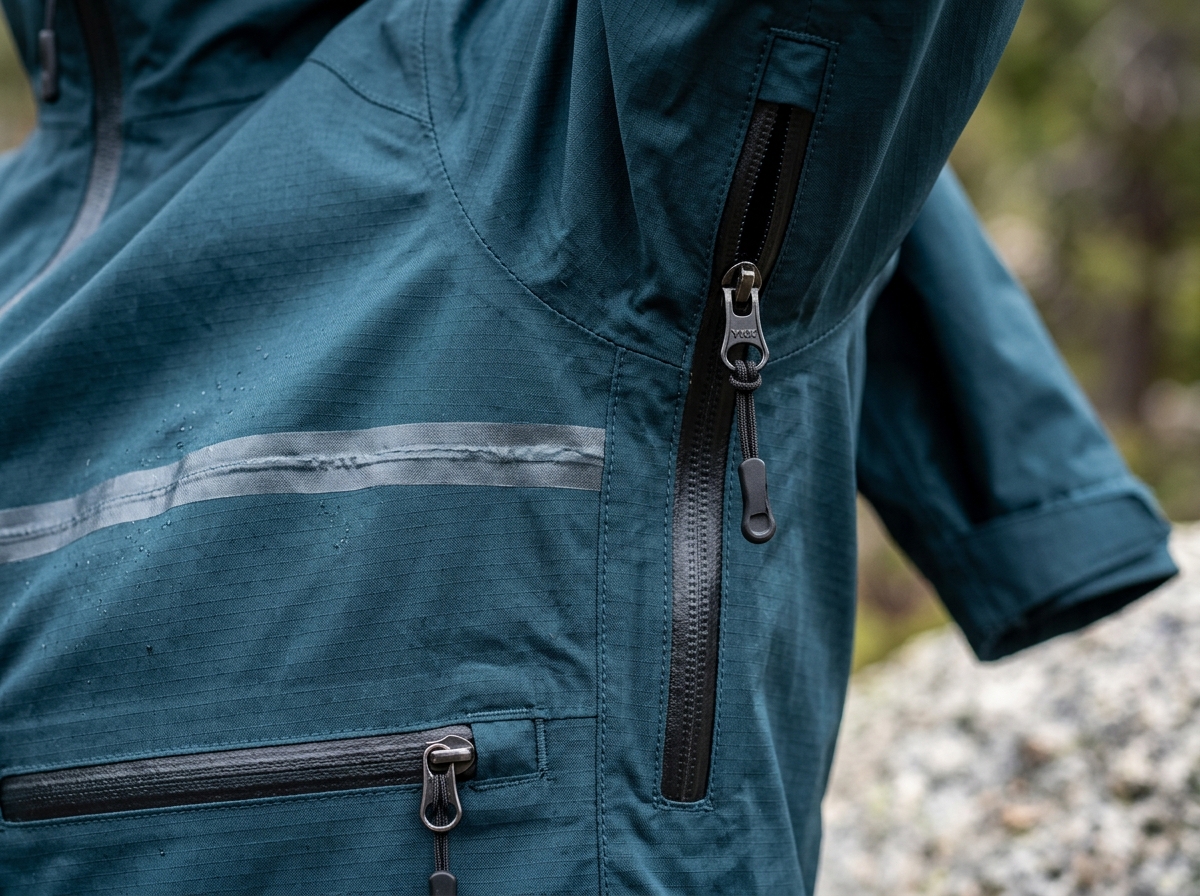
- Taped Seams: This is the most critical feature. A jacket can have the most waterproof fabric in the world, but if the seams (where the fabric is sewn together) aren’t sealed with waterproof tape, water will eventually leak through the needle holes.
- Recycled Materials: Many top-tier brands now use recycled nylon or polyester. High-performance shells are increasingly celebrated for their use of recycled content, proving that high performance can be eco-friendly.
- Windproof Protection: A good rain jacket doubles as a windbreaker. Some technical shells are rated to be windproof up to 60 mph, making them an excellent outer layer for chilly, gusty days in the mountains or on a ferry.
- Ventilation (Pit Zips): Waterproof fabrics, while great at keeping rain out, can sometimes trap sweat inside. “Pit zips”—zippers under the armpits—allow you to dump heat quickly without taking the jacket off.
- High-Quality Zippers: Look for water-resistant zippers like the YKK AquaGuard series. These are specifically designed to repel water, ensuring that the items in your pockets (like your phone or passport) stay bone-dry.
- Adjustable Hoods: A hood with a “wire brim” or a stiffened visor is a game-changer. It keeps the rain off your face and prevents the hood from collapsing over your eyes in high winds.
Understanding Waterproof Ratings for Your Packable Rain Jacket Women
If you’ve ever looked at a gear tag and seen numbers like “10k/10k” or “30,000mm,” you’ve seen the industry’s way of measuring performance. This is crucial when picking-versatile-clothes-for-travel/.
- Waterproof Rating (Hydrostatic Head): This measures how much water pressure a fabric can withstand before it starts to leak.
- 10,000mm: Good for light to moderate rain.
- 20,000mm+: Professional grade. Some high-end shells can withstand a staggering 30,000mm of rain.
- Breathability (MVTR): This stands for Moisture Vapor Transfer Rate. It measures how much sweat (in grams) can pass through a square meter of fabric in 24 hours. A rating of 15,000g to 20,000g is excellent for active travelers who plan on hiking or walking long distances.
Choosing the Right Length for a Packable Rain Jacket Women
Length isn’t just a style choice; it’s a functional one. Depending on your destination, you may want to consider versatile-clothing-options-for-multiple-climate-adventures/.
- Hip-Length: The standard “hiking” cut. It’s the most packable and offers the most mobility for active pursuits like climbing or cycling.
- Trench Style/Mid-Thigh: These are favorites for urban travel (think London or Paris). The extra length keeps your upper legs and backside dry when sitting on wet benches or walking through wind-blown rain.
- Two-Way Zippers: If you opt for a longer jacket, a two-way zipper is essential. It allows you to unzip the bottom of the jacket while sitting or climbing stairs, providing much-needed range of motion.
- Articulated Sleeves: This design feature ensures the sleeves don’t ride up your arms when you reach forward, which is particularly helpful for cyclists or those carrying heavy backpacks.
Waterproof vs. Water-Resistant: Choosing the Right Protection
One of the most common mistakes travelers make is confusing “water-resistant” with “waterproof.” Understanding the difference is key when choosing-the-perfect-versatile-travel-clothing-for-a-week-long-adventure/.
| Feature | Water-Resistant | Waterproof |
|---|---|---|
| Primary Material | Densely woven fabric with DWR coating | Membrane (Gore-Tex, technical laminates, etc.) |
| Seams | Usually not taped | Fully seam-sealed |
| Best For | Light mist, short errands, wind protection | Heavy downpours, extended outdoor use |
| Breathability | Usually very high | Varies (requires technical membranes) |
| Saturation | Will “wet out” and soak through eventually | Will keep you dry indefinitely |
Water-resistant jackets (often called windbreakers) use a DWR (Durable Water Repellent) finish that causes water to bead up and roll off. They are great for a quick dash from a taxi to a hotel, but in a tropical storm, they will eventually saturate.
Waterproof jackets use a specialized membrane—like Gore-Tex or proprietary technical versions—that has pores smaller than a water droplet but larger than a vapor molecule. This allows sweat to escape while blocking rain from entering. For most travelers, a truly waterproof shell is the safer bet.
Practical Tips for Packing and Maintenance
A packable rain jacket women love is only useful if it’s treated well. To ensure your jacket remains an essential-gear-for-the-minimalist-traveller/ for years to come, follow these maintenance tips.
The Rolling Technique
While many jackets have a self-stowing pocket, sometimes rolling is faster and prevents heavy creasing. Lay the jacket flat, zip it up, fold the sleeves across the chest, and roll tightly from the bottom up into the hood. This creates a neat “burrito” that slides easily into the side pocket of a backpack.
Washing and Care
Many people fear washing their rain gear, but dirt and body oils actually clog the breathable pores of the membrane.
- Use Technical Wash: Avoid standard detergents and fabric softeners, which can strip the DWR coating. Use a specialized cleaner designed for technical fabrics.
- Close All Fastenings: Before tossing it in the machine, close all Velcro and zippers to prevent them from snagging the delicate fabric.
- DWR Re-treatment: If you notice water is no longer beading on the surface but is “wetting out” (soaking into the top layer), it’s time to re-apply a DWR spray.
- Air Dry vs. Tumble Dry: Check your tag. Some jackets actually benefit from 20 minutes in a dryer on low heat to “reactivate” the DWR coating, while others must be air-dried.
Keeping your gear clean is just as important as having travel-friendly-toiletries-for-your-next-one-bag-trip/—it ensures you are always ready for the next leg of your journey. For more on maintaining your kit, see our guide on travel-gear-essentials-every-minimalist-traveler-should-have/.
Frequently Asked Questions about Women’s Rainwear
How do I wash a packable rain jacket without ruining the waterproofing?
Always use a gentle cycle with cold or lukewarm water. Use a mild, non-flake powder detergent or a dedicated technical wash. Never use fabric softeners or bleach, as these destroy the waterproof membrane and the DWR finish. Closing all zippers and Velcro tabs before washing will prevent mechanical damage to the fabric.
Can a packable rain jacket be used for layering in cold climates?
Absolutely! In fact, that is the secret to minimalist travel. A packable rain shell is the perfect “outer layer.” It doesn’t provide much warmth on its own, but it traps the heat generated by your base layers and fleece while blocking the wind. This “shell” approach allows you to adapt to a wide range of temperatures without carrying a heavy parka.
What is the difference between a rain jacket and a windbreaker?
The main difference is the level of protection. A windbreaker is designed to block wind and perhaps a very light mist; it is usually water-resistant but not waterproof. A rain jacket is designed with a waterproof membrane and taped seams to keep you dry in a sustained downpour. While rain jackets are slightly less breathable than windbreakers, they are much more versatile for unpredictable travel.
Conclusion
At Pleno Comercio, we believe that travel is better when you aren’t weighed down by “just in case” items that don’t perform. Our minimalist travel philosophy is built on finding those rare pieces of gear—like the perfect packable rain jacket women can count on—that offer maximum protection for minimum weight.
Whether you are following our versatile-clothing-recommendations-for-one-week-travel/ or embarking on a months-long adventure, a high-quality, lightweight rain shell is a non-negotiable. It’s the difference between a ruined afternoon and a memorable adventure in the rain.
Ready to upgrade your travel kit? More info about travel gear is available on our site, where we curate the best lightweight essentials for the modern, minimalist traveler. Stay dry, stay light, and keep exploring!
