
Why a Comfortable Travel Pillow Can Make or Break Your Journey
Quick answer — the most comfortable travel pillows by type:
| Type | Best For | Packability |
|---|---|---|
| Memory foam U-shape | Upright sleepers, tall adults | Moderate |
| Wrap/scarf style | Side sleepers, minimalists | Excellent |
| Inflatable | Ultralight packers | Excellent |
| J-shaped | Window seat leaners | Good |
| Microbead/360-degree | Toss-and-turn sleepers | Moderate |
A comfortable travel pillow is one of the simplest upgrades you can make to a long trip. Yet most travelers either skip it entirely or grab a cheap foam ring from the airport — and pay for it with a stiff neck on arrival.
The stakes are real. 83% of travelers report headache, neck pain, or shoulder pain after long journeys. Hours of sitting upright in a cramped seat puts serious strain on your cervical spine — especially when your head starts to nod and jerk as you drift off.
The good news? The right pillow is small, light, and genuinely effective. Modern designs weigh as little as 4.7 ounces — lighter than your phone — and compress to the size of a paperback book.
This guide walks you through every type, what features actually matter, and how to match a pillow to your sleep style and body — so you land refreshed instead of wrecked.

Understanding Different Types of Comfortable Travel Pillow Options
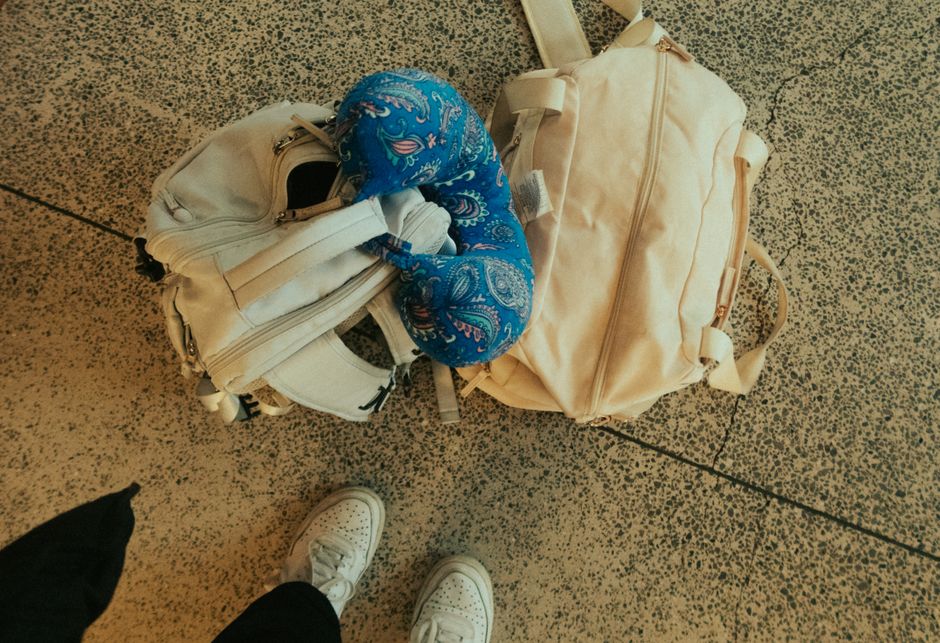
When we look at the market today, the variety of shapes can be overwhelming. It’s no longer just about the classic “blue donut” found in every airport gift shop. Choosing a comfortable travel pillow requires understanding how different materials and structures interact with your anatomy.
Memory Foam: The Gold Standard for Plush Support
Memory foam is a favorite for a reason. It molds to the specific contours of your neck and head, providing a custom fit that traditional fills can’t match. High-quality memory foam, like the CertiPUR-US certified versions, offers a “slow-rebound” feel that absorbs the vibrations of a plane or train. Some advanced models even feature dual-density foam—firmer on the outside for support and softer on the inside for a cloud-like feel.
Wraparound and Scarf Styles
Innovative designs like wraparound scarves have revolutionized minimalist travel. These aren’t pillows in the traditional sense; they are more like a scarf with a hidden internal support structure. This structure acts as a hammock for your head, holding it in an ergonomic, upright position. Research on sleep posture suggests that keeping the spine aligned is the number one way to prevent “post-flight neck.” These are incredibly lightweight (often under 5 ounces) and pack flat, making them a staple for those following our lightweight travel packing hacks.
Inflatable Cores
For the traveler who counts every gram, inflatable pillows are the ultimate space-savers. While older models felt like sleeping on a beach ball, modern versions use soft-touch fabrics and “H-shape” or “I-beam” internal structures to prevent that bouncy, unstable feeling. The biggest perk? You can adjust the firmness by simply letting out a little air.
J-Shaped and Chin Support Designs
If you’ve ever woken up because your head snapped forward (the dreaded “bobblehead” effect), you need a pillow with chin support. J-shaped pillows hook under your chin and wrap around the side of your head, providing a “ledge” to rest on. This is particularly effective if you are stuck in a middle or aisle seat where there is no window to lean against.
Key Features to Look for in Travel Gear
A comfortable travel pillow is only as good as its smallest details. When we curate gear at Pleno Comercio, we look for features that solve real-world travel frustrations.
- Packability and Compression: A pillow that takes up half your carry-on is a burden. Look for memory foam that can be rolled into a tight cylinder or scarf styles that lay flat. Many premium pillows come with a compression sack that reduces their volume by up to 70%. For more on optimizing your bag, check out our guide on space-saving travel accessories.
- Breathability: Airplane cabins can get stuffy. Look for moisture-wicking fabrics like cooling nylon, spandex blends, or tencel. Some pillows even feature flexible gel grids or aerated latex to allow airflow around your face.
- Washability: Travel is messy. A machine-washable cover is non-negotiable. Being able to unzip the outer layer and toss it in the laundry ensures you aren’t carrying germs from the tray table back into your home.
- Seat Attachment Straps: Some of the most effective pillows now feature straps that clip onto the headrest “wings” of an airplane seat. This prevents the pillow from sliding down and keeps your head from slumping forward, which is a game-changer for maintaining spinal alignment during an 8-hour flight.
How to Choose the Best Support for Your Journey
Choosing the right support depends heavily on your “travel habitat.” Are you squeezed into economy, or do you have a window seat to lean against?
| Feature | Memory Foam | Inflatable | Wrap/Scarf |
|---|---|---|---|
| Support Level | High (Contouring) | Adjustable | High (Rigid) |
| Weight | 10–18 oz | 2–4 oz | 4.5–9 oz |
| Best For | Long-haul comfort | Minimalist packing | Side sleepers |
| Durability | High | Moderate (Puncture risk) | High |
For those prioritizing a minimalist travel setup, the weight-to-support ratio is the most important metric. A heavy pillow might feel great in the store, but after three airport transfers, you’ll wish you had something lighter.
Selecting a Comfortable Travel Pillow Based on Sleeping Position
- Side Sleepers: You need lateral support. Wrap styles or pillows with high “bolsters” on the sides are best. They fill the gap between your shoulder and your ear, preventing your neck from bending at an awkward angle.
- Back Sleepers: Look for a “flat-back” design. Many U-shaped pillows are too thick behind the head, which actually pushes your neck forward and causes strain. A thin back with thick sides is the secret to back-sleeping bliss.
- The “Window Leaner”: If you always book the window, a J-shaped pillow or a plush microbead option allows you to pad the hard plastic wall of the plane, turning it into a soft headrest. This is a classic solo traveler essential for those who want to create their own private “sleep corner.”
Matching Your Body Type to a Comfortable Travel Pillow
One size does not fit all.
- Tall Adults: If you have a long neck, standard pillows will feel like they are barely touching your jaw. Look for “Plus” models or pillows with adjustable toggles that allow you to stack the support higher.
- Petite Travelers/Kids: A pillow that is too tall will push your chin down toward your chest, which can actually restrict breathing. Look for junior sizes or adjustable wrap styles that can be tightened for a narrower neck circumference.
- Shoulder Width: If you have broad shoulders, you’ll need a thicker pillow to fill the space when leaning. We recommend checking out our minimalist gear checklist to see how different dimensions fit into a standard travel kit.
Essential Tips for Pairing Pillows with Travel Blankets
A comfortable travel pillow provides the structure, but a travel blanket provides the “micro-climate.” Airplane cabins are notorious for fluctuating temperatures—one minute it’s a sauna, the next it’s the arctic.
To stay comfortable, we recommend a “modular” approach. Instead of a bulky household blanket, opt for a lightweight, technical travel blanket. Materials like shredded microfiber or cooling nylon are excellent because they provide warmth without the weight.
- The Wearable Advantage: Some travel blankets feature a “poncho” style or foot pockets. This ensures the blanket doesn’t slide off your lap the moment you fall asleep.
- Thermal Regulation: Pairing a moisture-wicking pillow cover with a breathable blanket prevents that “sweaty neck” feeling that often wakes travelers up mid-nap.
- Packing as a Unit: Many travelers now use their blanket as extra padding. If your pillow is a bit too thin, you can wrap your travel blanket around it for extra height. Check our packing checklist to see how to bundle these items to save space.
Frequently Asked Questions about Travel Comfort
Are inflatable pillows as supportive as memory foam?
In terms of “plushness,” no. Memory foam will always feel more like a real bed. However, in terms of structural support, a fully inflated pillow can actually be more rigid and supportive than soft foam. If you are an ultralight traveler, a high-quality inflatable pillow is a fantastic compromise that provides 90% of the support for 10% of the packed size.
How do I prevent my head from falling forward while sleeping?
This is caused by a lack of “frontal support.” To fix this, try wearing your U-shaped pillow backward (with the opening at the back of your neck). This places the thickest part of the pillow under your chin. Alternatively, choose a wraparound scarf-style pillow or a “coil” design that can be overlapped in the front to create a sturdy chin rest.
Which travel pillows are the easiest to clean and maintain?
The easiest pillows to maintain are those with removable, polyester-blend covers. Avoid pillows where the “core” (the foam or beads) is attached to the fabric. You want to be able to wash the cover in cold water and air dry it quickly. Inflatable pillows are also very easy to clean—you can simply wipe the exterior with a damp cloth or a disinfecting wipe.
Conclusion
At Pleno Comercio, we believe that travel shouldn’t be a test of endurance. By choosing a comfortable travel pillow that aligns with your specific sleeping position and body type, you turn those “dead hours” of transit into actual recovery time. Whether you prefer the rigid support of a wrap-style brace or the soft contouring of premium memory foam, the goal is the same: to arrive at your destination ready to explore.
Don’t let a “snoozing Big Bird” posture ruin your first day of vacation. Invest in gear that prioritizes your spinal health and comfort. For more tips on how to streamline your transit experience, explore our curated packing lists for your next adventure or check out our guide for solo travelers. Safe travels and happy snoozing!
