Best Vegetables for Containers: What Grows Well in Pots
A realistic list of vegetables that grow well in pots, grouped from easiest to most demanding, with commonly suggested container sizes and how much sun each one wants.
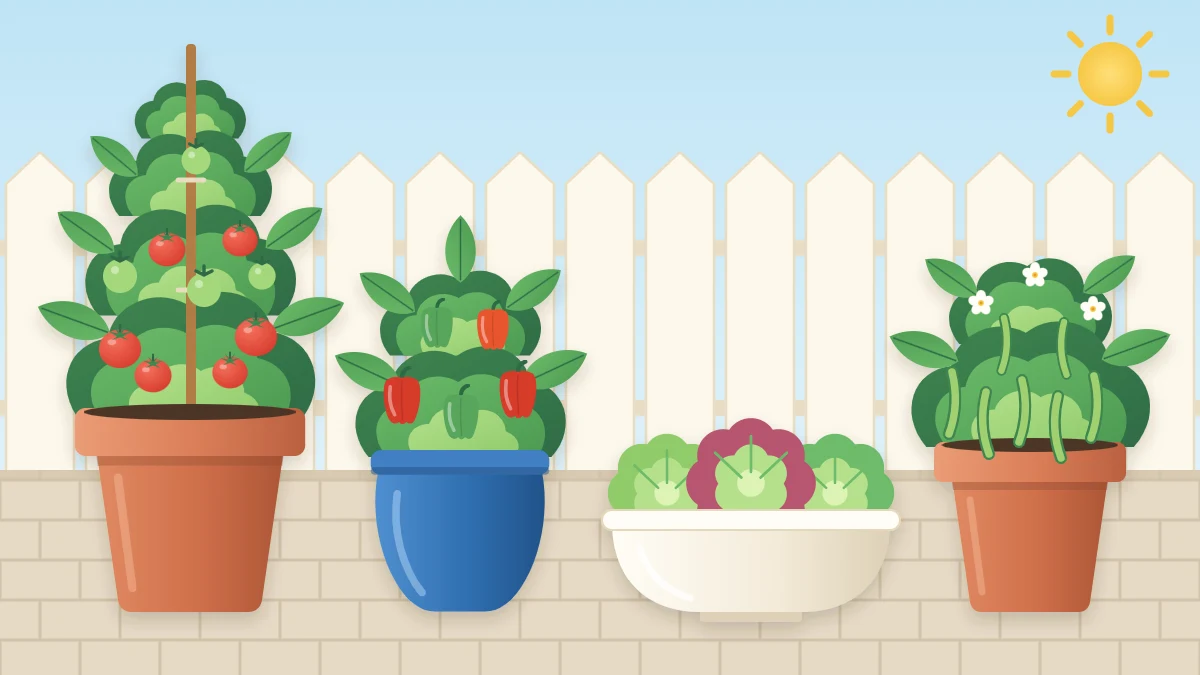
A patio, a set of steps or a sunny strip beside the door is enough room to grow some of your own food. Not every crop is a sensible choice for a pot, though, and the difference between a satisfying season and a frustrating one often comes down to what you decided to plant.
The best vegetables for containers are the ones that stay compact, cope with a limited root zone and give you something to pick without months of waiting. The list below is sorted by how much they ask of you, so you can start with the easy group and work up.
What makes a vegetable suit a pot
A plant in a container has only the potting mix you give it. That mix holds a limited amount of water and nutrients, and it warms up and dries out faster than ground soil. Vegetables that do well under those conditions tend to share a few traits:
- A compact or bushy habit rather than long, sprawling vines.
- Roots that are shallow, or at least content in a restricted space.
- A fairly short time from planting to picking.
Plant breeders have produced compact forms of many crops. When you shop, look for words such as “patio”, “bush”, “dwarf” or “container” on the seed packet or plant tag.
The easiest vegetables to start with
These crops forgive small mistakes and grow quickly, which makes them good first projects.
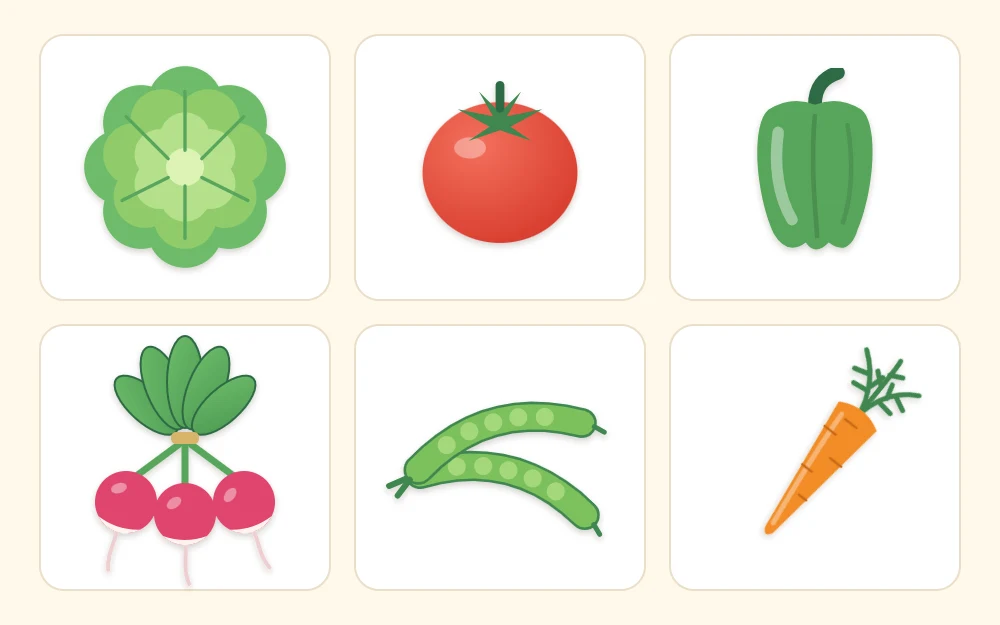
- Lettuce and salad greens. Shallow roots, fast growth and a tolerance for part shade make them the classic beginner crop. The guide to growing lettuce in a pot or window box covers sowing and picking.
- Radishes. Among the quickest vegetables from seed, and happy in a fairly shallow container. They prefer cool weather.
- Green onions. Slim, upright and undemanding, so they tuck into narrow troughs and the edges of larger pots.
- Bush beans. Bush types stay low and need no trellis, unlike pole beans, which climb. Sow them once the weather has warmed and frost danger has passed in your area.
Rewarding crops that need a bigger pot
The next group asks for more potting mix, more sun and steadier attention. In return, these are the plants most people picture when they imagine a patio vegetable garden.
Tomatoes
Compact, patio, dwarf and determinate varieties are far easier in pots than large vining ones, which keep growing all season and need a very large container and a tall support. There is enough to say that tomatoes have their own page: see the beginner’s guide to growing tomatoes in pots.
Peppers and eggplant
Both form upright, bushy plants that suit a single pot each. They love warmth and sulk in cold weather, so wait until nights are mild before setting them outside.
Chard and kale
These leafy crops are larger and longer-lived than lettuce. You pick the outer leaves and the plant keeps growing from the center, so one or two plants can be harvested over a long period.
Cucumbers
Choose a bush type and give it a support to climb. A small trellis or a tripod of canes pushed into the pot at planting time keeps the vines off the ground and saves floor space.

Possible, but they need depth or space
A few popular vegetables can be grown in containers if you accept their demands.
- Carrots. Pick short or round varieties and a container deep enough for the root to grow straight. Long types need more depth than most pots offer.
- Potatoes. Usually grown in a deep grow bag or tub so that mix can be added around the stems as they grow.
- Zucchini. A single plant becomes large and thirsty, so it needs a big container to itself. Look for bush or compact varieties.
Container size and sun at a glance
The sizes below are commonly suggested starting points, not fixed rules. Varieties differ, so check the seed packet or plant tag, and remember that a larger container is usually easier to manage because it holds more water. The guide to choosing a pot size explains the reasoning.
| Vegetable | Commonly suggested minimum container | Sun |
|---|---|---|
| Lettuce, salad greens, radishes | About 6 in (15 cm) deep; wide is better than deep | Part shade to full sun |
| Green onions, chard, kale | About 8 in (20 cm) deep or more | Part shade to full sun |
| Bush beans | Roughly 2 to 3 gallons (about 8 to 11 liters) | Full sun |
| Peppers, eggplant, bush cucumbers | Roughly 3 to 5 gallons (about 11 to 19 liters) per plant | Full sun |
| Compact tomato | At least about 5 gallons (about 19 liters) per plant | Full sun |
| Zucchini, potatoes, large tomatoes | Considerably larger; check the tag | Full sun |
As a general pattern, vegetables grown for their fruit want full sun, which plant tags usually describe as about six hours or more of direct sun. Leafy crops cope with less, and many of them appreciate some afternoon shade in hot weather. For a second opinion on sizes, see the University of Maryland Extension’s guide to growing vegetables in containers.
Choosing containers for food crops
Almost any container can grow vegetables if it has drainage holes and holds enough potting mix.
Good to know
For anything you plan to eat, use containers that have not held chemicals or unknown substances. If you cannot tell what a secondhand bucket or barrel once contained, keep it for flowers or pass it by. Containers sold or labeled for growing food are the simplest choice.
Fill containers with bagged potting mix rather than garden soil, and wash everything you harvest before eating it.
Be realistic about the harvest
Yields from pots are modest. A few containers will not replace your grocery shopping, and the amount you pick varies with the variety, the weather, the size of the container and how steadily the plants were watered and fed. What a small container garden does offer is freshness and convenience: salad leaves cut minutes before a meal, and a handful of ripe tomatoes at the back door.
Vegetables in pots also need regular checking. Moisture conditions vary from pot to pot, so feel the mix before you water rather than following a set routine.
Tip
Start with two or three containers of crops you enjoy eating. Several pots of easy cooking herbs alongside them add a lot of flavor for very little space.
Frequently asked questions
What is the easiest vegetable to grow in a pot?
Lettuce and other salad greens are a common first choice because their roots are shallow, they grow quickly and they tolerate part shade. Radishes, green onions and bush beans are also forgiving. All of them still need a container with drainage holes, bagged potting mix and moisture checked regularly.
Can I grow vegetables in pots without full sun?
Leafy crops such as lettuce, chard and kale cope with part shade, and in hot weather they often prefer some afternoon shade. Vegetables grown for their fruit, including tomatoes, peppers and cucumbers, generally want full sun and tend to disappoint without it. Watch your spot on a clear day before you choose.
Do I need special containers for growing vegetables?
No special type is required. Plastic pots, wooden boxes, grow bags and tubs all work when they have drainage holes and hold enough potting mix for the crop. Use containers that have not held chemicals or unknown substances, and choose ones sold or labeled for growing food if you are unsure.

