Best Plants for Container Gardening: Easy Choices for Beginners
An overview of plants that grow well in pots, sorted into sun flowers, shade plants, herbs, vegetables and long-lived shrubs and grasses, with a short lesson on reading a plant tag.
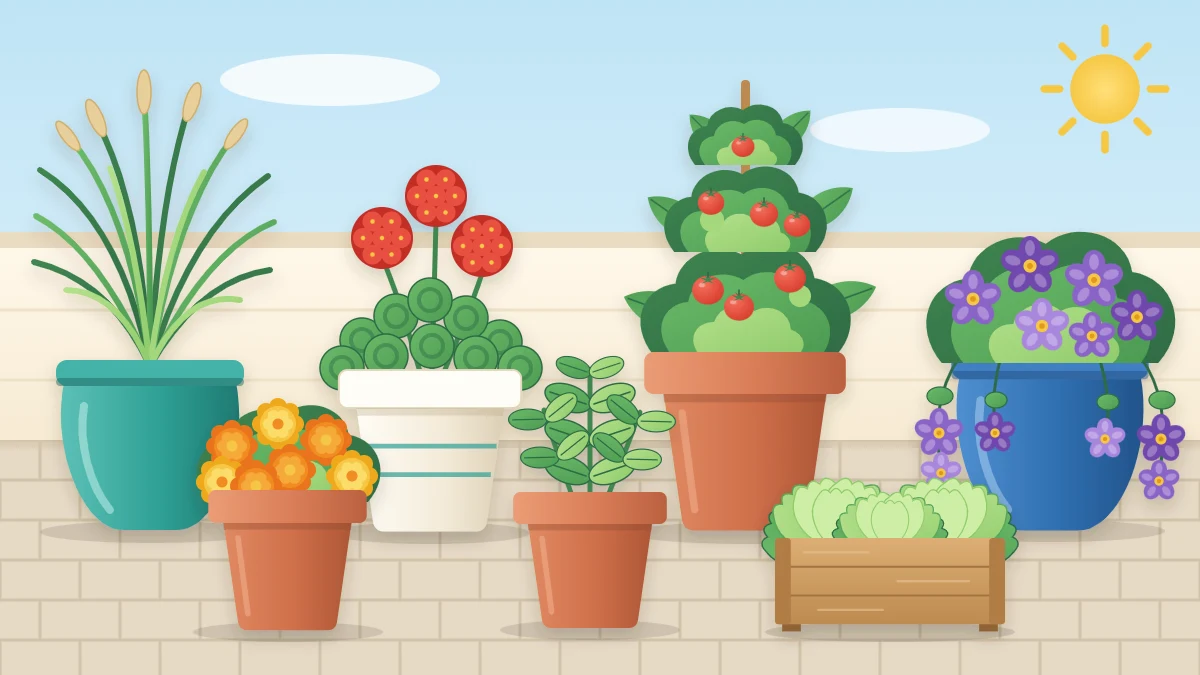
Almost any plant can live in a pot for a while, but some settle in happily and others sulk from the first week. The best plants for container gardening share a few traits that make them comfortable with limited root room, and knowing those traits makes a trip to the garden center far less confusing.
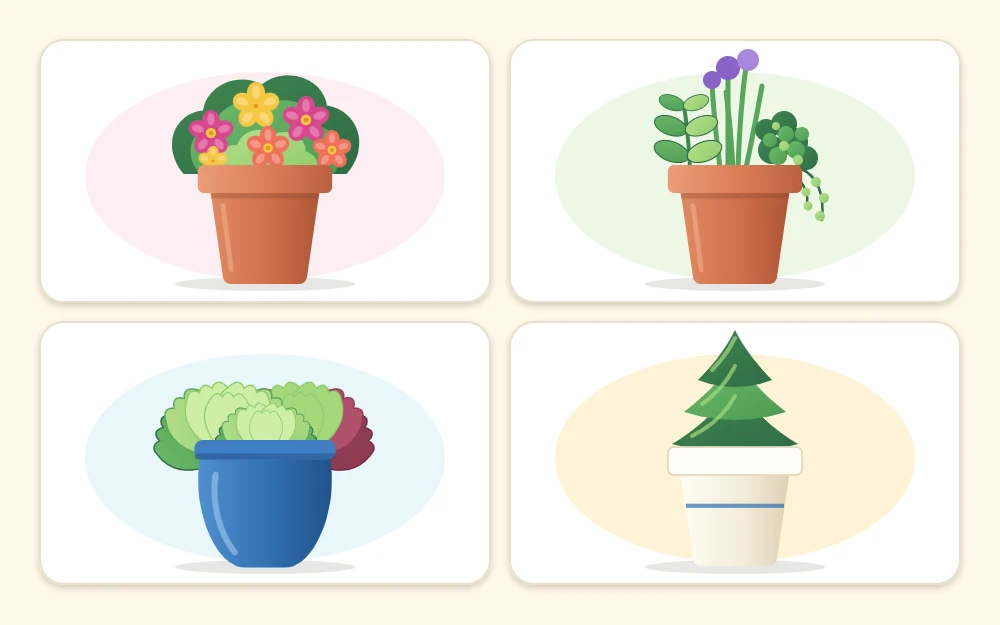
This overview sorts beginner-friendly plants into five groups, with a few examples of each, and points you to the detailed lists when you are ready to choose. It ends with the skill that matters most at the plant bench: reading the plant tag.
What Makes a Plant Suit a Pot
A container gives roots a fixed amount of space, so the plants that do well in one tend to have three things in common.
- A compact or dwarf habit. Plants bred to stay small need less mix, less water and less support. Words such as “compact”, “dwarf”, “patio” or “bush” on a tag are a useful hint.
- A long season of interest. A pot sits in plain view, so plants that flower for months, keep handsome leaves or can be picked again and again earn their place.
- Tolerance of a restricted root zone. Some plants cope well when their roots fill the pot. Others, including large shrubs and big vining vegetables, quickly outgrow all but the largest containers.
Keep those three ideas in mind and the groups below make sense.
Flowering Annuals for Sun
Annuals complete their life in one growing season, which is why they put so much energy into flowers. For a spot with full sun, these are widely sold and generally easy:
- Petunias for mounds or trailing curtains of color
- Marigolds for tidy, upright plants in warm yellows and oranges
- Geraniums for bold flower heads on sturdy stems
- Calibrachoa for masses of small, petunia-like blooms that trail over the rim
All four are tender, so they go outside once frost danger has passed in your area. The full list of the best flowers for pots in full sun covers ten choices and how each one grows.
Flowers and Foliage for Shade
A porch or a patio under trees can still be colorful. Begonias and impatiens flower in lower light, and coleus offers leaves in burgundy, lime and pink that do the job of flowers without needing much direct sun.
Shade pots usually dry more slowly than pots in sun, so check the mix before you water rather than assuming it needs it. Conditions vary from pot to pot, even between two containers that stand side by side.
Herbs
Herbs are a natural first edible crop, because you harvest a little at a time and most stay a manageable size. Basil, parsley and chives are common beginner picks. Basil likes warmth and steady moisture, parsley tolerates a little shade, and chives come back each year in many climates.
Mint deserves a note of its own. It spreads vigorously and will crowd out its neighbors, so give it a pot to itself. For more choices and which herbs can share a container, see the guide to the best herbs for containers.
Vegetables
Not every vegetable is realistic in a pot, but several are well worth trying:
- Lettuce and other salad greens, which have shallow roots and grow quickly
- Bush or patio tomatoes, which stay far smaller than vining types
- Peppers, which are naturally compact and enjoy heat
- Bush beans, which need no tall support
Fruiting vegetables such as tomatoes and peppers generally want full sun and a roomy container, while leafy crops get by with less of both. Harvests from pots are modest, so think of them as a pleasure rather than a way to fill the pantry. Wash produce before you eat it. The rundown of the best vegetables for containers groups crops by how demanding they are.
Good to know
For herbs and vegetables, use containers that have not held chemicals or unknown substances. If you are unsure what a secondhand container was used for, keep it for flowers.
Long-Lived Plants: Shrubs and Grasses
Dwarf shrubs and ornamental grasses give a container garden structure that lasts beyond one summer. A small evergreen in a large pot looks good in every season, and a grass adds height and movement.
There is one catch. Roots in a pot are more exposed to winter cold than roots in the ground, because the cold reaches them from all sides rather than only from above. A plant that survives winter in a garden bed near you may not survive it in a container. Choose plants rated as hardy for colder conditions than your own, and plan to shelter the pot in winter if your climate is harsh. You can look up your zone on the USDA Plant Hardiness Zone Map. Remember that zones describe winter cold, not planting dates.
How to Read a Plant Tag
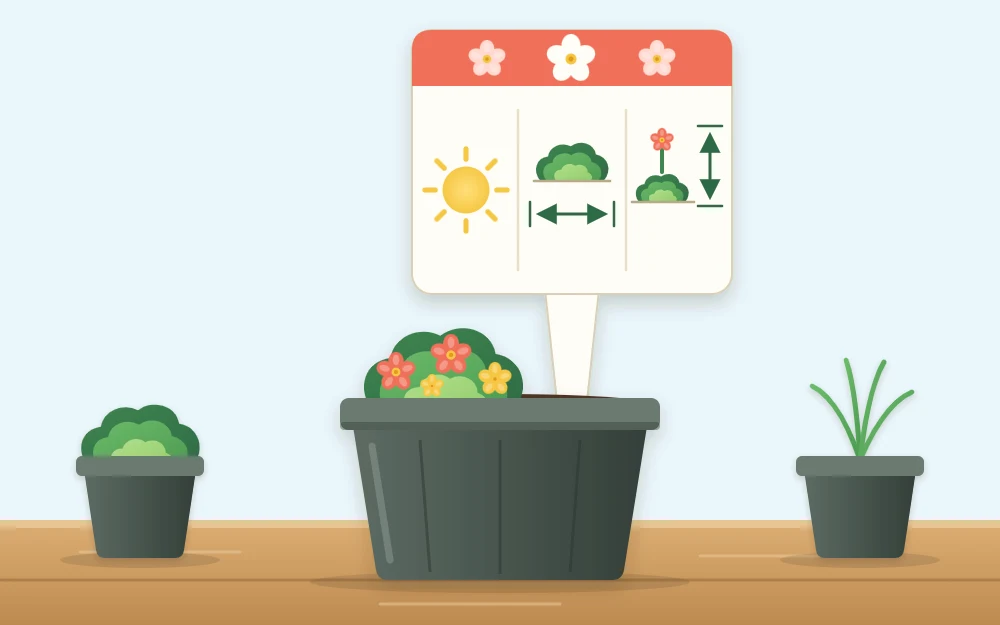
The small tag pushed into a nursery pot is the most useful piece of information in the store. Three items on it matter most for containers.
- Light. Tags use the terms full sun, part sun, part shade and shade. Full sun usually means about six hours or more of direct sun.
- Mature size. Height and width tell you how big the plant will be in a few months, not how big it is today. That decides the pot size and whether it can share a container.
- Spacing. The suggested distance between plants shows how many will fit. Container plantings are often set a little closer than garden plantings, but each plant still needs room.
Match the Plant to the Light You Have
The most common beginner mistake is falling for a plant first and hoping the spot will suit it. Work the other way round. Find out how much direct sun your space gets, then shop within that group.
A full sun plant in shade tends to stretch and flower poorly. A shade plant in hot afternoon sun may scorch. Neither problem can be fixed with extra water or fertilizer. If you are not sure what you have, the guide to reading the light for a container garden shows how to measure it in a single day.
Once you know your light, pick one or two plants from the right group and buy healthy, bushy specimens with buds still to open. A short list of well-matched plants will outperform a cart full of impulse buys.
Frequently asked questions
What is the easiest plant to grow in a pot?
There is no single answer, because it depends on your light. In full sun, marigolds, geraniums and petunias are common first choices. In shade, begonias and impatiens are widely grown. Choosing a plant whose tag matches the sun your spot receives matters more than choosing any particular species.
Can perennials and shrubs stay in pots all year?
Many can, in a large enough container, but their roots are more exposed to winter cold than they would be in the ground. Gardeners in cold climates often choose plants rated hardier than their own zone requires and shelter the pots in winter. Check the plant tag for hardiness.
How many plants can I put in one container?
It depends on the mature size of each plant and the width of the pot. Use the spacing and mature width on the plant tag as a guide. Container plantings are often set somewhat closer than in a garden bed, but crowded plants compete for water and nutrients and tend to decline sooner.